The Elevated That Ate the Sky
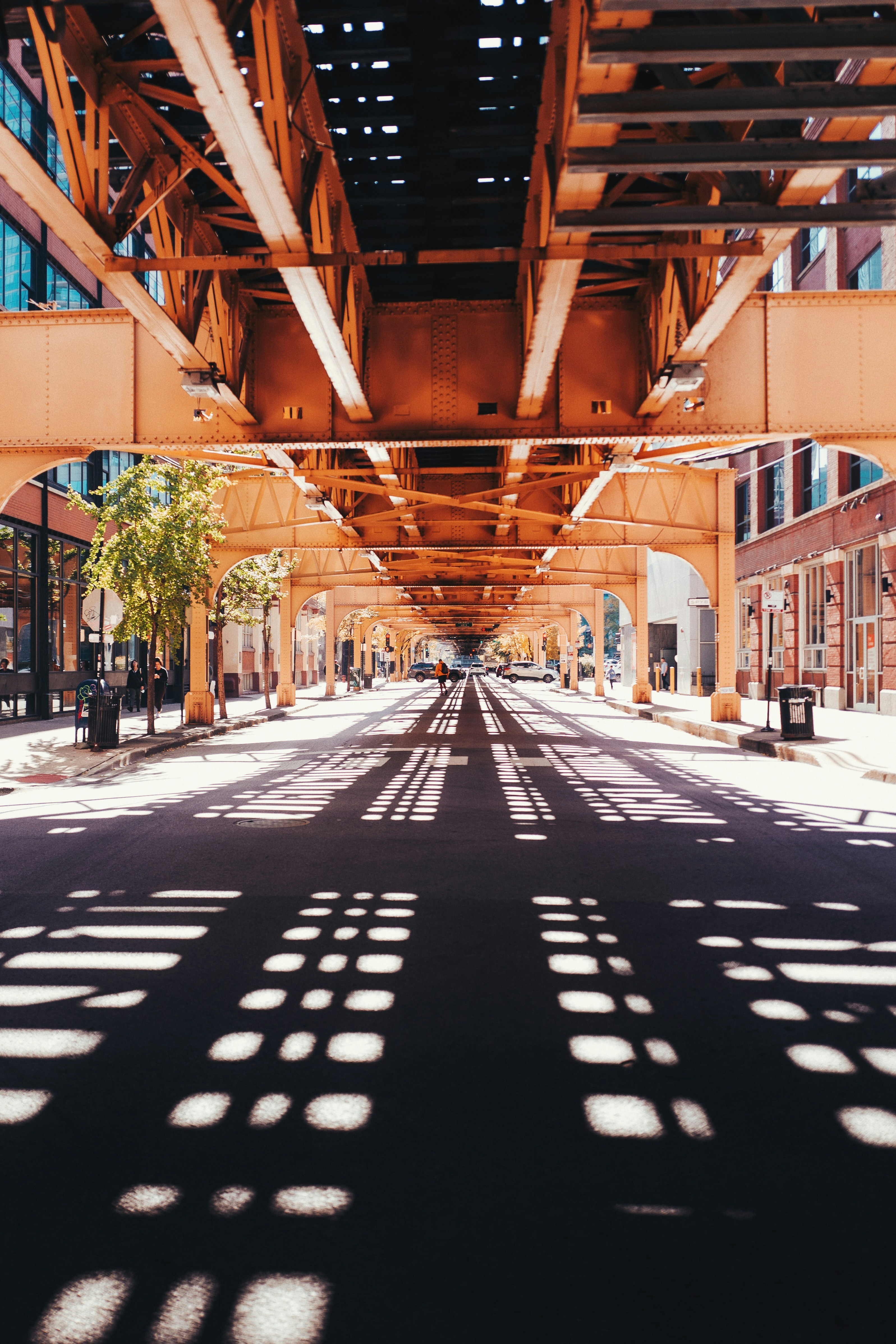
For thirty years, the Douglas Park branch threw a permanent shadow across Kedzie Avenue. Residents set their clocks by the 4:12 northbound. Then one Tuesday in 1954 it was gone — and the light that returned felt wrong.
Long-form essays, annotated maps, and recovered photographs that make a city argue with its own memory. Demolished theaters. Buried rail lines. The corner that used to mean something.
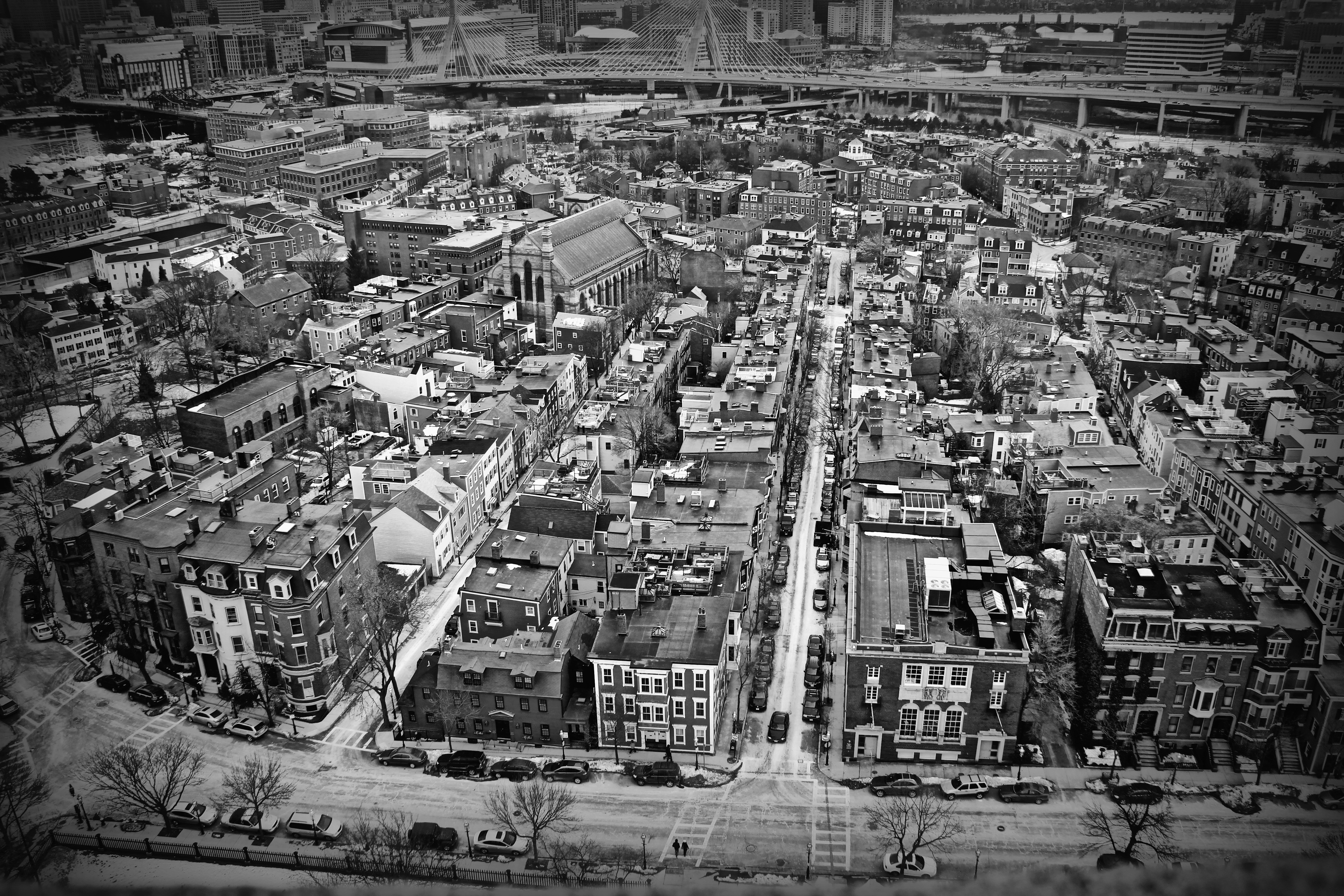
Aerial Survey, Downtown Core · 1952
Timeline Fragment
First electric streetcar line opens on State St.
Halsted Theater opens — 1,800 seats, ornate plasterwork.
Urban renewal clears 14 blocks of historic housing.
Last rail depot closes. Platform demolished within a year.
Primary Source
"The old neighborhood had its own grammar — every alley a dependent clause, every rooftop a subject yet to be parsed."
— City Planning Archive, 1967
On the northeast corner of Halsted and Congress, where a parking structure now exhales exhaust into the afternoon, there once stood a theater so overbuilt it seemed to be arguing with its own budget. The Halsted Palace opened in February 1921 with an orchestra of twenty-two, a pipe organ that could be heard from the elevated platform three blocks north, and a lobby floor of Venetian marble imported at a cost that made the alderman wince in print.
It survived vaudeville's collapse, the Depression, and two ownership changes before urban renewal arrived in 1963 with its peculiar vocabulary of progress — blight, clearance, assemblage — and the theater ceased to be a problem anyone needed to solve.
Halsted & Congress, Chicago. Left: 1958 (Chicago Tribune Archive). Right: 2024.
Period Clipping — Chicago Tribune, Feb 14, 1921
New Palace Theater Opens
to Thunderous Acclaim
The Halsted Palace, described by its architects as "a monument to civic ambition," opened its doors Friday evening to an audience of 1,847 patrons who rose in collective ovation before the curtain had lifted once...
Chicago Tribune · February 14, 1921 · Page 8
Population Shift · Near West Side · 1940–1970
Each dot represents ~40 households. Red indicates displacement via clearance orders.
For thirty years, the Douglas Park branch threw a permanent shadow across Kedzie Avenue. Residents set their clocks by the 4:12 northbound. Then one Tuesday in 1954 it was gone — and the light that returned felt wrong.
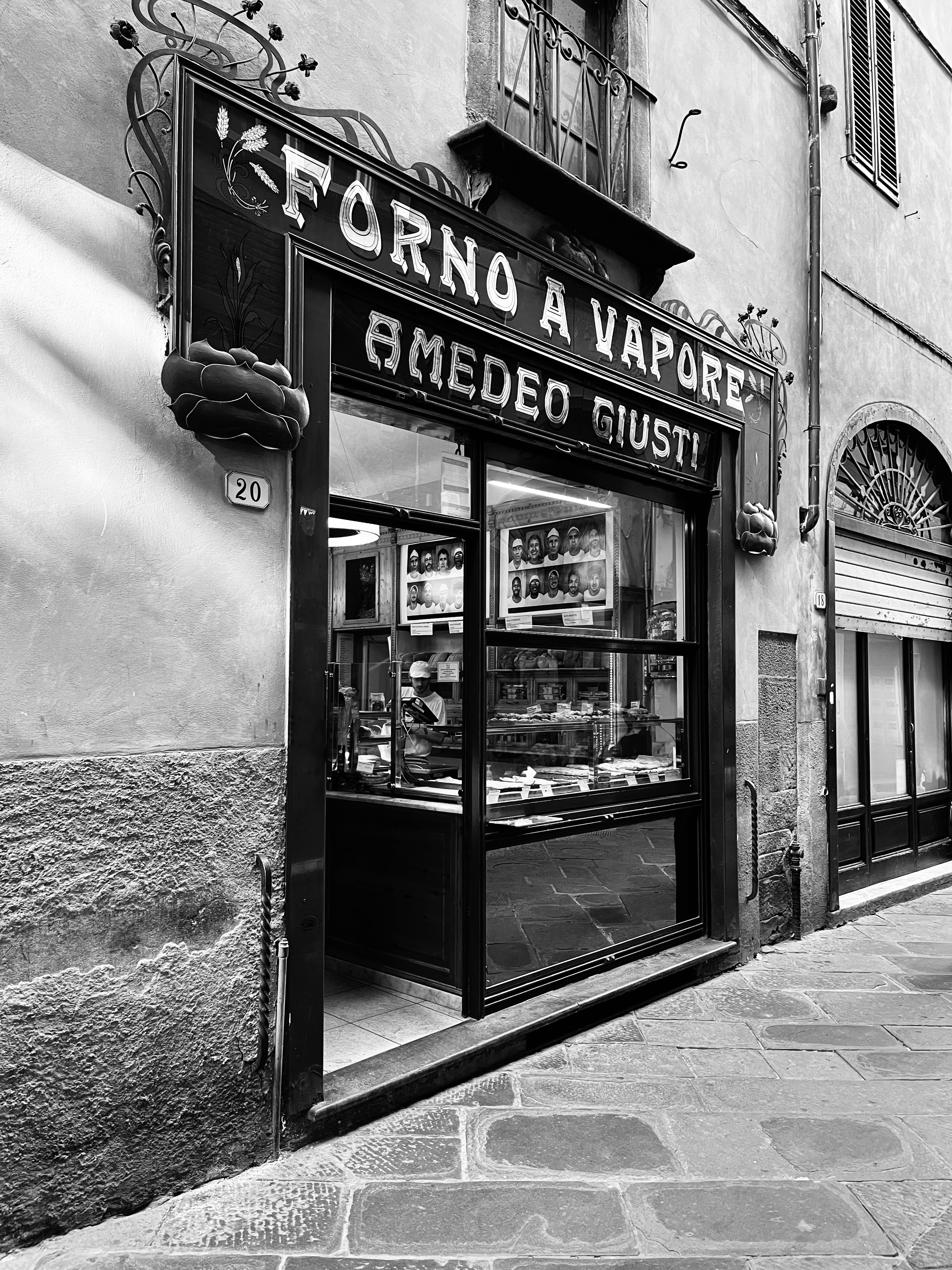
The smell of rye bread arrived at 4 AM. By 1939, the block of 18th Street between Halsted and Carpenter held more commercial bakeries per square foot than any block in the Midwest.

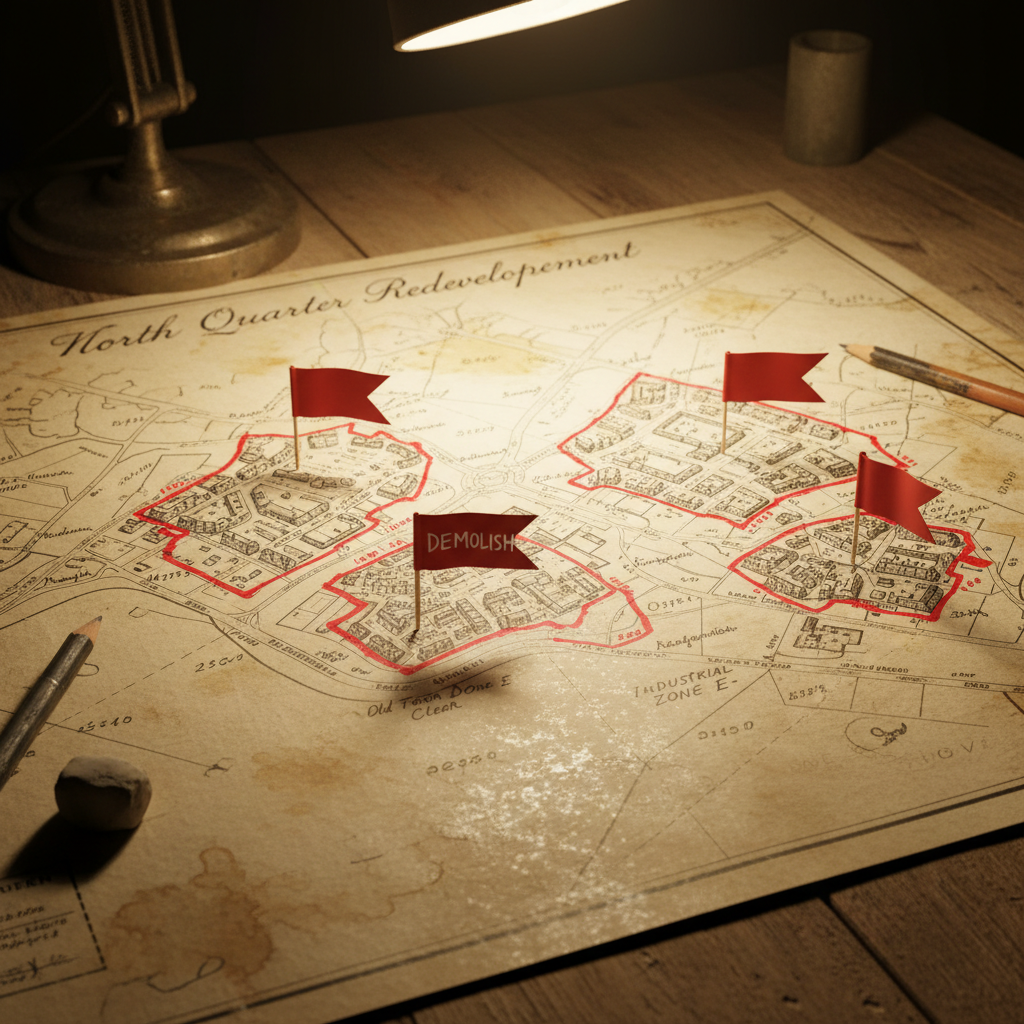
A 1961 zoning revision rezoned 47 blocks of Woodlawn from residential to "urban renewal study area." The map was never formally filed. The neighborhood was demolished anyway.
Map-Based Index
Every essay is pinned to a specific block. Navigate the full archive on an annotated city map spanning 1880 to today.
A monthly dispatch of new findings — one neighborhood, one decade, one story you didn't know was yours. No algorithm. No noise. Just research.
Retired teachers who remember the old downtown. Urban planners tracing zoning scars back to their origins. Newcomers who want to understand why their block feels the way it does.
"By mid-scroll the visitor realizes they're holding an entire neighborhood's biography."

I've been a city planner for 31 years. Chronicle showed me the rezoning scar on my own block that I'd walked past ten thousand times without seeing. The map of what was there before the freeway changed how I read every project that comes across my desk.
Terrence Okafor
Senior Urban Planner, Chicago DOT

My grandmother ran a laundry on Halsted for forty years. I found her building in the 1938 sanborn map on Chronicle — her name in the business register, the address, the square footage. I printed it out and mailed it to my mother.
Sandra Kowalczyk
Retired English Teacher, Pilsen

I moved here from Portland two years ago. The neighborhood felt like it had a secret grammar I hadn't been taught. Chronicle gave me the Rosetta Stone — now I understand why certain blocks feel heavy, why some corners still have that particular quality of light.
Dae-Jung Park
Software Engineer, Logan Square
Join 3,200 readers who receive the monthly dispatch.